
Crucial Insights on Water Damage Prevention

Water damage can strike unexpectedly. It affects homes and businesses alike. In Central and Eastern Kentucky, weather and aging infrastructure can increase risks. Understanding how to prevent and address water damage is essential. I will share practical advice to help protect your property and reduce costly repairs.
Understanding Water Damage Prevention
Water damage prevention starts with knowing the common causes. Leaks, floods, and plumbing failures are frequent culprits. Roof leaks, broken pipes, and poor drainage can all lead to serious problems. Early detection is key. Regular inspections can catch issues before they worsen.
Here are some steps to prevent water damage:
Inspect your roof for missing or damaged shingles.
Check gutters and downspouts to ensure they direct water away from your foundation.
Look for signs of leaks under sinks and around appliances.
Test your sump pump if you have one.
Seal cracks in your foundation and walls.
Taking these actions can save you from expensive repairs later. Prevention is always better than restoration.

Clean gutters help prevent water damage by directing water away from the house.
Identifying Early Signs of Water Damage
Spotting water damage early can make a big difference. Look for these warning signs:
Discoloration or stains on walls and ceilings.
Peeling or bubbling paint.
Musty or damp odors.
Warped or buckled flooring.
Mold growth in corners or hidden areas.
If you notice any of these, act quickly. Shut off the water supply if necessary. Contact a professional to assess the damage. The longer water sits, the more damage it causes.
Regularly checking your property after heavy rain or storms is a good habit. Pay special attention to basements and crawl spaces. These areas are prone to moisture buildup.
Practical Steps for Water Damage Prevention
Prevention requires ongoing effort. Here are practical tips to keep your property safe:
Maintain Your Plumbing
Inspect pipes for corrosion or leaks. Replace old or damaged pipes promptly. Insulate pipes to prevent freezing in winter.
Improve Drainage Around Your Property
Ensure the ground slopes away from your building. Use landscaping to direct water flow. Avoid planting trees too close to foundations.
Install Water Detection Devices
These alarms alert you to leaks early. Place them near water heaters, sump pumps, and under sinks.
Keep Your HVAC System in Check
Regular maintenance prevents condensation issues. Clean drip pans and check for blockages.
Prepare for Severe Weather
Secure windows and doors. Use sandbags or barriers if flooding is likely.
By following these steps, you reduce the risk of water damage significantly.
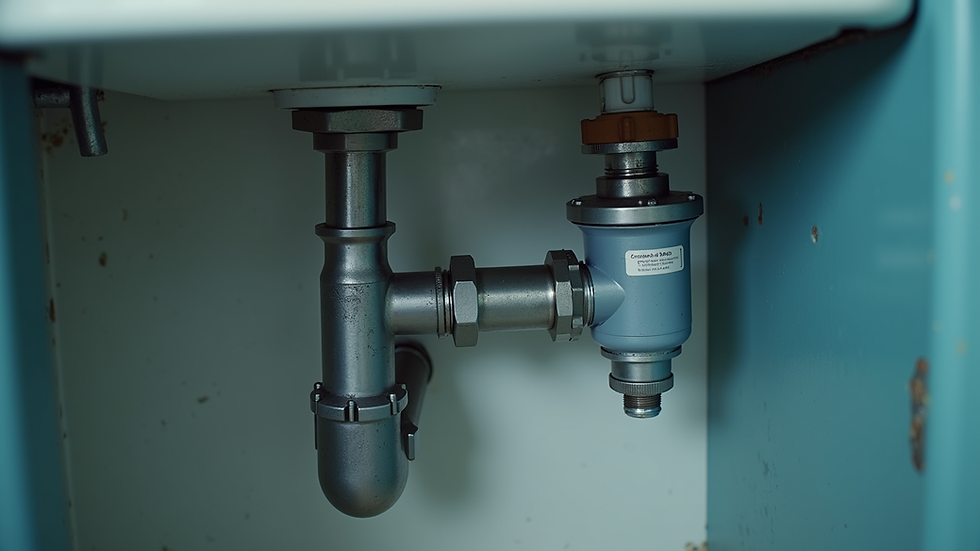
Water leak detection devices help catch leaks early and prevent extensive damage.
When Water Damage Occurs: Immediate Actions
If water damage happens, quick action is critical. Here is what to do:
Stop the Water Source
Turn off the main water valve if a pipe bursts. For flooding, try to block water entry points.
Remove Excess Water
Use mops, buckets, or a wet/dry vacuum. The faster you remove water, the less damage occurs.
Dry the Area Thoroughly
Use fans and dehumidifiers. Open windows if weather permits.
Protect Your Belongings
Move furniture and valuables to a dry area. Remove wet carpets and rugs.
Document the Damage
Take photos and notes for insurance claims.
After these steps, contact a restoration professional. They have the tools and expertise to handle deeper water damage and prevent mold growth.
The Role of Professional Water Damage Mitigation
Sometimes, water damage is too extensive for DIY fixes. This is where water damage mitigation services come in. Professionals assess the damage, remove water, dry the structure, and clean affected areas. They also address hidden moisture that can cause mold.
Hiring experts ensures the job is done thoroughly and safely. They use specialized equipment like industrial dryers and moisture meters. This reduces the risk of long-term problems.
If you face water damage, do not delay. Quick professional help can save your property and peace of mind.
Maintaining Your Property After Water Damage
Once the immediate crisis is over, ongoing care is important. Here are some tips:
Schedule regular inspections to catch new issues early.
Keep gutters and drainage systems clear.
Monitor humidity levels inside your building.
Repair any cracks or damage promptly.
Maintain landscaping to prevent water pooling.
These steps help prevent future water damage and keep your property in good condition.
Final Thoughts on Protecting Your Property
Water damage can be costly and stressful. But with the right knowledge and actions, you can reduce risks. Regular maintenance, early detection, and quick response are your best tools. Remember, professional help is available when needed.
Taking these steps protects your investment and ensures your property remains safe and dry. Stay vigilant and proactive to avoid water damage problems in Central and Eastern Kentucky.
Thank you for reading. I hope these insights help you safeguard your home or business from water damage.

Comments