
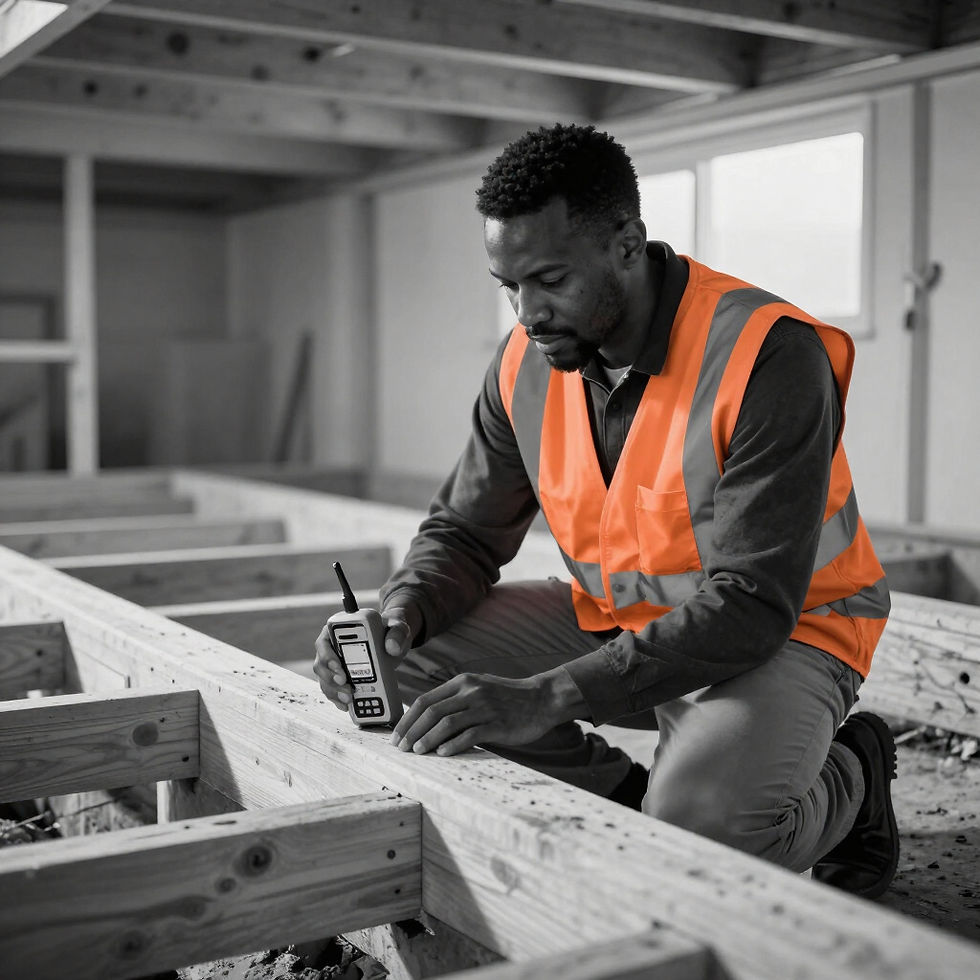
Mold Inspection Service & Testing in Mount Sterling, Richmond & Central Kentucky
Think you may have mold in your home or business? Musty odors, past water damage, visible growth, high humidity, and unexplained indoor air quality concerns can all be signs of a hidden moisture or mold problem.
At Phoenix Remediation & Restoration, we provide professional mold inspections and mold testing services for homeowners, landlords, property managers, real estate agents, and businesses throughout Mount Sterling, Richmond, Winchester, Lexington, Morehead, Paris, Owingsville, Stanton, and surrounding Central Kentucky communities.
Our team can inspect your property, look for moisture sources, document visible concerns, and help determine the next step toward a cleaner, safer indoor environment.
Call Phoenix Remediation & Restoration today to schedule a mold inspection.
Mold Inspection Services
Mold problems usually start with moisture. That moisture may come from plumbing leaks, roof leaks, flooding, crawlspace humidity, poor ventilation, condensation, foundation issues, or previous water damage that was not dried properly.
Our mold inspection services may include:
- Visual mold inspection
- Moisture readings
- Humidity checks
- Inspection of water-damaged areas
- Crawlspace inspection
- Attic inspection when accessible
- HVAC area observations
- Photo documentation
- Suspected mold identification
- Recommendations for next steps
- Mold testing coordination when needed
- Remediation scope recommendations
We do not believe in scaring customers. Our job is to inspect, document, explain what we find, and help you make an informed decision.
Mold Testing & Indoor Air Quality Testing
In some situations, mold testing may be recommended to better understand what is happening inside the property. Testing can be helpful when there is a musty odor, health concerns, a real estate transaction, visible growth that needs confirmation, or possible hidden mold.
Depending on the situation, mold testing may include:
- Indoor air samples
- Outdoor control samples
- Surface samples
- Tape-lift samples
- Swab samples
- Wall cavity or targeted area testing when appropriate
- Lab analysis through a third-party laboratory
Mold testing can help provide more information about the type and amount of mold particles present, but testing should always be combined with a proper inspection. A lab result by itself does not fix the moisture source or remove the contamination.
Signs You May Need a Mold Inspection
You may need a mold inspection if you notice:
- Musty odors
- Visible mold-like growth
- Recent flooding or water damage
- Past leaks
- High indoor humidity
- Condensation on windows, walls, or ductwork
- Staining on drywall, ceilings, or trim
- Damp carpet, flooring, or cabinets
- Mold concerns during a home sale
- Allergy-like symptoms that seem worse indoors
- Crawlspace moisture or standing water
- HVAC odor or moisture concerns
If you are unsure whether you have mold, an inspection is the best first step.
Mold Inspection After Water Damage
If your property has had a water loss, flood, plumbing leak, roof leak, appliance leak, or crawlspace water intrusion, mold can become a concern when materials stay wet too long.
Phoenix Remediation & Restoration can inspect areas affected by water damage and look for signs of:
- Wet drywall
- Damp framing
- Trapped moisture
- Wet insulation
- Moisture under flooring
- Mold-like growth
- Crawlspace humidity
- Secondary damage
We can also provide water damage mitigation and structural drying services when moisture is still present.
Crawlspace Mold Inspections
Crawlspaces are one of the most common places we find moisture and mold concerns in Kentucky homes. Ground moisture, standing water, damaged vapor barriers, condensation, poor drainage, and high humidity can all lead to mold-like growth on wood framing and insulation.
Our crawlspace mold inspections may include checking:
- Floor joists
- Subflooring
- Insulation
- Vapor barrier condition
- Standing water
- Humidity levels
- HVAC ducts
- Foundation walls
- Drainage concerns
- Wood moisture levels
If we find crawlspace mold or moisture issues, we can recommend crawlspace remediation, vapor barrier replacement, drying, or encapsulation solutions.
Real Estate Mold Inspections
Buying, selling, or renting a property? Mold concerns can delay closings, create disputes, or make buyers nervous.
Phoenix Remediation & Restoration can help homeowners, buyers, sellers, real estate agents, landlords, and property managers with mold inspections and documentation.
A mold inspection may be helpful before:
- Buying a home
- Selling a home
- Renting a property
- Listing a house
- Closing after water damage
- Renovating a previously damaged area
- Moving into a property with odors or moisture concerns
We provide honest observations and practical recommendations, not scare tactics.
Our Mold Inspection Process
- Initial Conversation: We ask about the concern, history of water damage, odors, visible growth, health concerns, and any areas where moisture may be present.
- Visual Inspection: We inspect accessible areas for visible mold-like growth, staining, water damage, leaks, condensation, humidity issues, and moisture sources.
- Moisture & Humidity Checks: When needed, we use moisture meters and humidity readings to help locate damp materials or conditions that may support mold growth.
- Photo Documentation: We document areas of concern with photos and notes so you have a clear record of what was observed.
- Mold Testing When Needed: If testing is recommended, samples may be collected and sent to a third-party lab for analysis.
- Results & Recommendations: We explain our findings, discuss lab results if testing was performed, and recommend next steps such as cleaning, mold remediation, water mitigation, crawlspace work, or moisture control.
What Happens If Mold Is Found?
If mold or suspected microbial growth is found, Phoenix Remediation & Restoration can help create a plan to correct the issue. Depending on the situation, next steps may include: Correcting the moisture source, Removing wet or contaminated materials, Setting containment, Using HEPA filtration, HEPA vacuuming affected surfaces, Cleaning framing or structural materials, Applying antimicrobial treatment when appropriate, Drying affected materials, Replacing damaged vapor barrier, Providing documentation for insurance or property records. The most important part is this: mold remediation should address both the mold and the moisture source. If moisture is not corrected, the problem can return.